This Is the Part Most People Underestimate
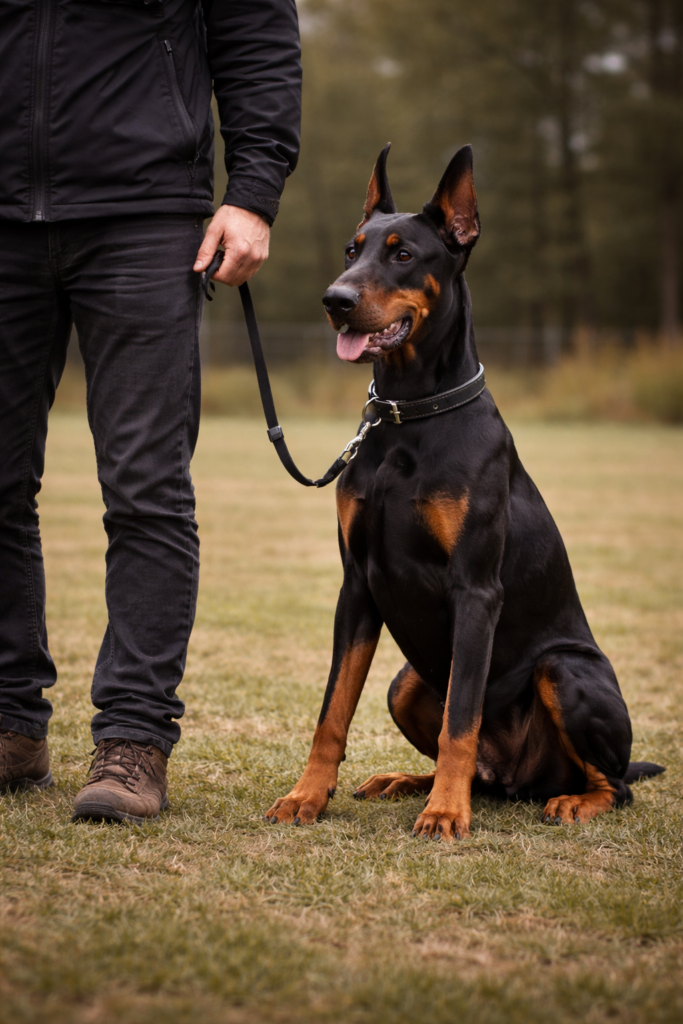
When people think about dog ownership — especially owning a trained or working-line dog — they often focus on the exciting parts. What the dog can do. How well they listen. How quickly things will fall into place.
What matters more is what happens after the initial transition.
Long-term success doesn’t come from training alone. It comes from clear ownership expectations, consistency, and an understanding that the dog-owner relationship is built over time.
Training Helps — Ownership Is What Makes It Stick
Training gives a dog structure, communication, and clarity. Ownership is what keeps that structure intact.
A trained dog still needs:
- Clear routines
- Consistent rules
- Follow-through from the handler
- Ongoing engagement
Without those things, even a well-trained dog will become inconsistent. That’s not a failure of training — it’s usually a gap in expectations.
Consistency Matters More Than Intensity
You don’t need to be perfect. You do need to be consistent.
Dogs do best when expectations are predictable. Mixed signals, skipped routines, or changing rules create confusion, especially in working-line dogs that are wired to notice detail.
Strong ownership doesn’t mean constant correction — it means clarity.tions.
Life Changes. Expectations Should Adjust — Not Disappear
Schedules change. Families grow. Routines shift. All of that is normal.
What matters is adjusting structure without abandoning it. Long-term dog ownership requires flexibility and accountability. When expectations disappear entirely, problems usually follow.
Successful owners adapt while keeping communication clear.
Why We Talk About Ownership Early
We talk about dog ownership expectations early because it protects everyone involved — dogs included.
When expectations are realistic:
- Dogs settle faster
- Training holds up better
- Owners feel more confident
- The relationship stays enjoyable
Good outcomes aren’t about perfection. They’re about preparation.
The Goal Isn’t Control — It’s a Working Relationship
At the end of the day, ownership isn’t about control or dominance. It’s about building a working relationship based on trust, structure, and clear communication.
When owners understand their role, dogs thrive. When expectations are vague, frustration usually follows.
Clarity makes everything easier — for both ends of the leash.